
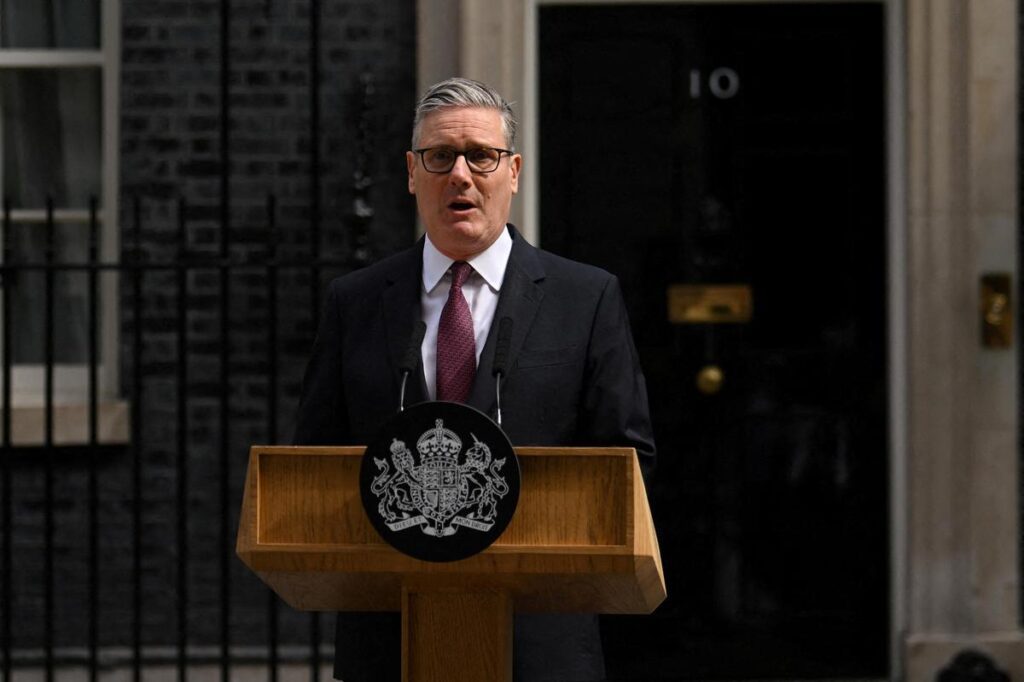
Keir Starmer has resigned as UK Prime Minister and Labour Party leader, bringing an abrupt end to a government that came to power with one of Labour’s biggest election victories in modern British history. The announcement on June 22 comes less than two years after Starmer led Labour back to power with a landslide win that ended 14 years of Conservative rule.
Starmer said a new Labour leader should be in place before Parliament returns in September. Until then, he will remain caretaker prime minister while the party organizes the process of selecting his successor.
The Breaking Point
Labour’s return to power in July 2024 was one of the party’s most significant electoral achievements in decades. Under Starmer, Labour secured 411 seats in the House of Commons and won a commanding parliamentary majority after years in opposition.
That political strength gradually began to weaken. A series of disappointing election results, falling approval ratings, and growing concerns among Labour MPs created pressure on the prime minister throughout the past year. The party’s setbacks in regional and local elections added to those concerns and sparked fresh debate about Labour’s future leadership.
In recent weeks, questions about Starmer’s position moved from private conversations into public political discussion, making a leadership change increasingly difficult to avoid.
The Front-Runner Emerges
Andy Burnham’s name quickly emerged as the focus of attention after Starmer’s resignation. The former Greater Manchester Mayor recently returned to Parliament after winning the Makerfield by-election, giving him a stronger platform at a crucial moment for the party.
His victory was widely seen as a significant development inside Labour, particularly as several senior figures began backing his leadership prospects. Former Health Secretary Wes Streeting’s support further strengthened Burnham’s standing and increased expectations that he could become the party’s next leader.
For many Labour MPs, Burnham now represents the clearest alternative as the party prepares for a new chapter.
The Succession Battle
Labour will now begin the process of electing a new leader, with nominations expected to open in July. The party hopes to have a successor in place before Parliament returns after the summer recess.
The contest will determine who leads the governing party and who ultimately takes over as Britain’s next prime minister. While Labour continues to hold a substantial majority in Parliament, the incoming leader will face immediate pressure to rebuild public confidence and strengthen support among voters.
A Defining Political Moment
Few expected the leader who delivered Labour’s historic 2024 victory to leave office so soon. Starmer’s resignation closes a chapter that began with enormous expectations and one of the party’s strongest election performances in recent history.
The focus now turns to the race to succeed Starmer and the decision over who will guide the governing party through its next phase in office. The outcome will determine Britain’s next prime minister and shape the future of Labour after one of the most dramatic leadership changes in recent years.