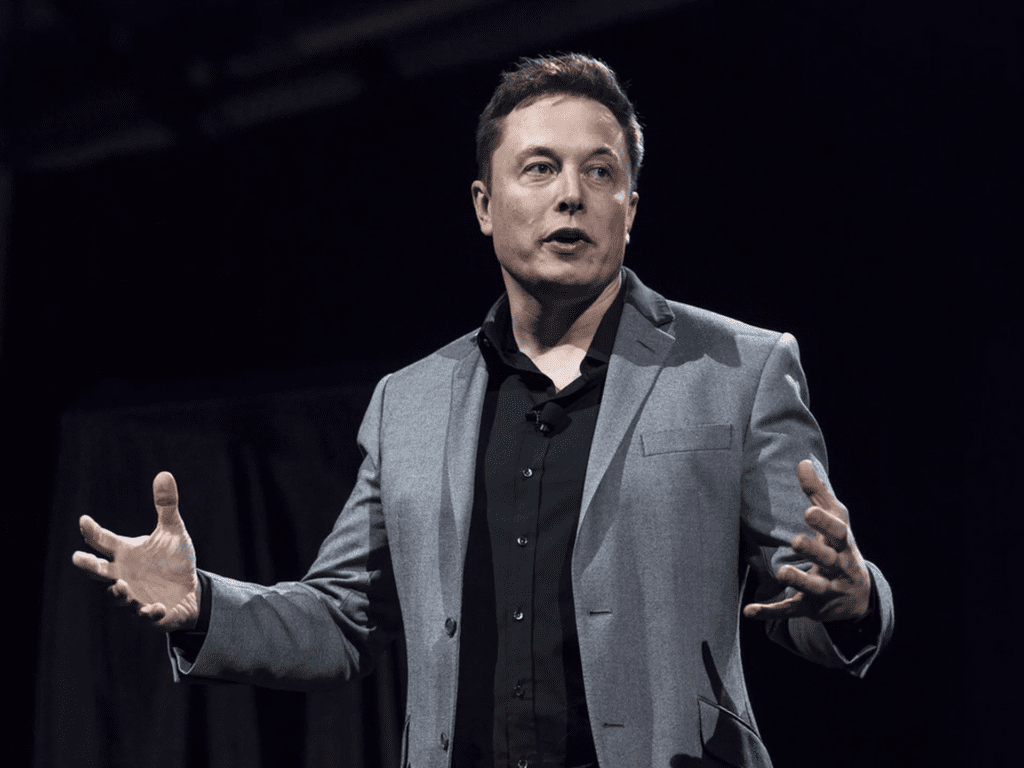
Elon Musk has announced a new semiconductor project called “Terafab,” planned in Austin, Texas, bringing Tesla and SpaceX into a more direct role in chip manufacturing. On the surface, it looks like another expansion. In reality, it reflects a deeper shift in how companies are preparing for the next stage of artificial intelligence.
Over the past year, demand for AI chips has accelerated across industries. From autonomous vehicles to data centers, almost every system now depends on faster and more efficient processing. The problem is not a lack of innovation, but a lack of supply. Even the largest chip manufacturers are under pressure to keep up, and delivery timelines are stretching.
Musk’s response is straightforward. Instead of adjusting plans around supply limitations, he is choosing to build around them.
How Terafab Will Handle Different Computing Needs
The structure of Terafab gives a clearer picture of how Musk is thinking about future demand. The project is expected to support two very different types of computing needs under one system.
On one side, Tesla requires chips that can operate inside vehicles and robots in real time. A self-driving system does not have the luxury of delay. Every decision, from braking to navigation, depends on instant processing. The same applies to robotics, where movement, balance, and interaction rely on continuous data input.
On the other side, SpaceX is working with a different scale altogether. The computing requirements linked to AI systems, satellite networks, and large data operations are far more intensive. These systems are not about milliseconds; they are about handling massive workloads continuously and reliably.
Bringing both under one manufacturing approach suggests that Musk is not treating these as separate businesses anymore. They are being built on the same foundation.
The Reason Behind Musk’s In House Chip Strategy
The semiconductor industry is already operating under strain. Companies like TSMC and Samsung continue to expand capacity, but demand from AI alone has started to outpace expectations. Large technology firms are competing for the same production slots, which creates delays and uncertainty.
For a company like Tesla, where product timelines depend heavily on chip availability, that uncertainty becomes a serious constraint. If a supplier cannot deliver at the required scale or speed, it directly impacts product rollout.
Musk is addressing that constraint at its source. By moving chip production closer to the company, the dependency on external timelines is reduced. It also allows design and manufacturing to evolve together, rather than waiting on separate cycles.
This approach is not common, but it is becoming more relevant as systems grow more complex.
The Scale of Musk’s $20B Investment
The estimated cost of Terafab is around $20 billion, placing it among the largest private investments in semiconductor manufacturing. But the investment alone does not capture the scale of the ambition.
Musk has outlined a long-term goal of reaching around one terawatt of computing capacity annually. That figure stands far beyond what most current systems operate at and reflects how quickly AI workloads are expected to grow.
This is not just about meeting current demand. It is about preparing for a future where computing requirements increase at a pace that existing infrastructure cannot easily support.
At the same time, projects of this scale are rarely straightforward. Semiconductor manufacturing requires precision, time, and experience. Even established players take years to bring new facilities online, which is why the industry is watching closely.
Connecting Vehicles, Robotics, and AI Infrastructure
What makes Terafab different is how it connects Tesla and SpaceX under a shared infrastructure layer. Tesla’s focus on autonomous systems and robotics continues to push its need for more powerful chips. SpaceX, meanwhile, is exploring ways to expand computing beyond traditional environments, including satellite-based systems.
When these efforts depend on different suppliers and timelines, coordination becomes difficult. Bringing chip production in-house changes that dynamic. It allows development to move in sync, rather than in stages.
It also gives Musk more control over how performance, cost, and scaling decisions are made over time.
The Bigger Impact of Musk’s Terafab Strategy
There has been a lot of focus on AI models and software breakthroughs. What is becoming clearer now is that hardware is just as critical. Without enough computing power, even the most advanced systems cannot scale effectively.
Moves like Terafab highlight that shift. The focus is moving closer to the infrastructure layer, where long-term advantage is often built.
This does not mean every company will follow the same path. But it does suggest that reliance on external supply alone may not be enough in a high-demand environment.
Conclusion
Elon Musk’s Terafab plan is less about entering a new industry and more about securing a critical part of the existing one. Tesla and SpaceX are not just building products; they are trying to ensure that the systems behind those products can keep up.
The project is still in its early phase, and the challenges are significant. However, the intent is clear. As AI continues to expand, control over computing resources is becoming a deciding factor in how far a company can go.
And Musk, once again, is choosing not to wait for the system to catch up.