
Canada has introduced Bill C-34, known as the Safe Social Media Act, a major digital safety proposal that seeks to restrict social media access for children under 16, regulate AI chatbots, and create a new federal regulator to oversee online safety standards. The legislation was introduced in Parliament on June 10 as the government moves to address growing concerns about online harms affecting young people.
The proposal comes as concerns around youth online safety continue to grow across Canada. Government data shows that one in four young people between the ages of 12 and 17 has experienced cyberbullying, while online child sexual exploitation remains a significant concern for law enforcement and child protection organizations. The government says existing laws often respond after harm has occurred, while the new legislation focuses on preventing harm before it happens.
Social Media Age Limits
The centerpiece of Bill C-34 is a proposal that would prevent children under the age of 16 from accessing social media platforms unless companies can demonstrate that they have sufficient safeguards in place to protect younger users. Platforms that meet safety requirements could apply for exemptions, while services offering adult content would not be eligible.
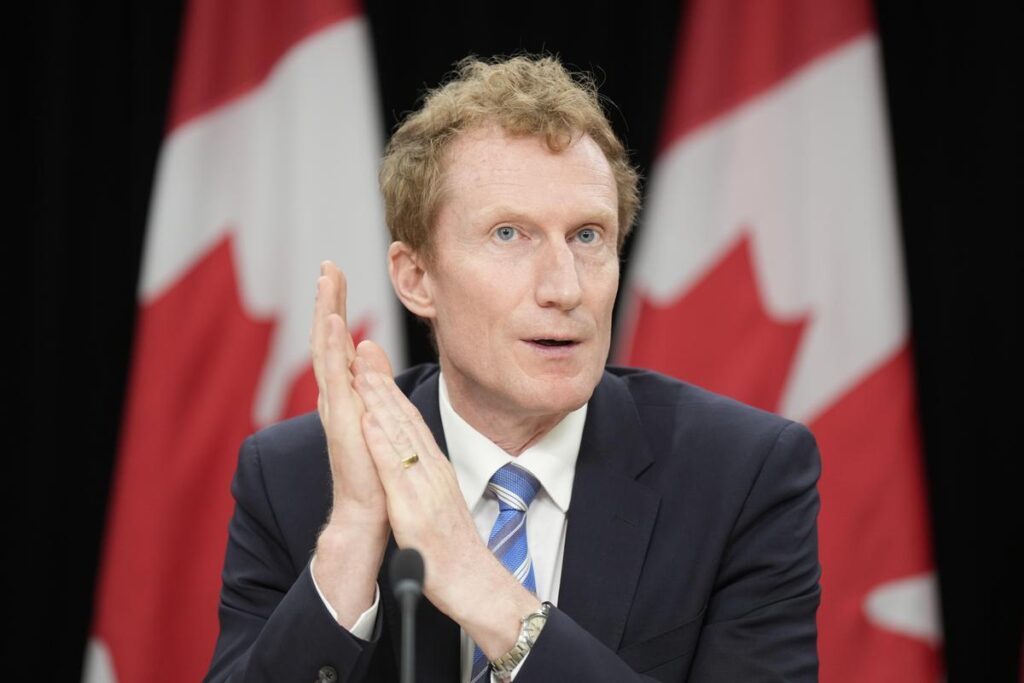
Canadian Identity and Culture Minister Marc Miller said social media platforms are increasingly contributing to anxiety, isolation, depression, and other mental health challenges among young Canadians. The government argues that stronger protections are needed as digital platforms continue to play a larger role in the daily lives of children and teenagers.
New AI Safety Standards
The legislation also introduces new obligations for companies developing and operating AI chatbots. Rather than restricting access to AI tools, the bill focuses on making them safer through stronger accountability measures. Providers would be expected to reduce the risk of harmful interactions and introduce crisis-intervention protocols for situations involving self-harm, suicide, or violence.
Officials say the inclusion of AI chatbots reflects the rapid growth of generative AI technologies and the need for safety standards that keep pace with their expanding use. The proposal places social media platforms and AI chatbot services within the same digital safety framework.
Digital Safety Commission
A major part of the legislation is the creation of the Digital Safety Commission of Canada, an independent regulator that would oversee compliance, investigate complaints, conduct reviews, and enforce online safety requirements. The commission would also determine whether platforms qualify for exemptions under the under-16 restrictions.
Companies that fail to comply with the proposed rules could face penalties of up to 3% of their global annual revenue or C$10 million, whichever amount is greater. Government officials have indicated that establishing the regulator could take up to 18 months after the legislation receives approval.
Harmful Content Rule
Bill C-34 specifically targets seven categories of harmful online content that regulators believe pose the greatest risks to users, particularly children and teenagers. These include:
• Child sexual exploitation content
• Non-consensual intimate images
• Content that promotes or encourages self-harm
• Cyberbullying involving children
• Hate-related content
• Violence-inciting content
• Terrorist and violent extremist content
Under the proposed framework, platforms would be required to take action against these forms of harmful content and remove certain illegal material, including child sexual abuse content and non-consensual intimate images, within specified timelines.