
Landing your dream job feels like a huge achievement. After years of studying, building experience, attending interviews, and waiting for the right opportunity, finally getting that role can feel like everything is starting to work out. But getting hired is only half the challenge. Staying valuable inside a company has become much harder in 2026.
Today’s workplace is more competitive, more digital, and far less forgiving than before. Businesses are dealing with layoffs, AI-driven restructuring, smaller teams, and higher expectations from every role. Technical skill still matters, but it is no longer enough on its own. The people who stay and grow are usually the ones who communicate well, adapt quickly, stay visible, and make life easier for the people around them.
The uncomfortable truth is that most people do not lose dream jobs because of one major mistake. They lose them because of small habits that slowly damage trust, reliability, and credibility over time.
10 Reasons Employees Lose Their Dream Jobs
1. Poor Performance Over Time
Every company understands that employees need time to learn. But when someone repeatedly misses deadlines, struggles to improve, or delivers weak results for too long, patience starts to run out. In 2026, many employers are working with leaner teams and tighter budgets, which means every role has to create clear value. Nearly 80,000 tech jobs were cut in the first quarter of 2026 alone, with many companies linking layoffs to AI and efficiency. In simple terms, people who are not adding enough value are becoming easier to replace.
2. Weak Communication
Poor communication damages careers much faster than people realize. Some employees avoid difficult conversations, disappear during projects, fail to update managers, or reply too slowly when something important comes up. Over time, this creates frustration because nobody knows what is happening. Many recent employer surveys show that weak communication, lack of professionalism, and poor organization are among the biggest reasons people lose jobs early in their careers. A manager can deal with mistakes. Constant confusion is much harder to manage.
3. Refusing to Adapt
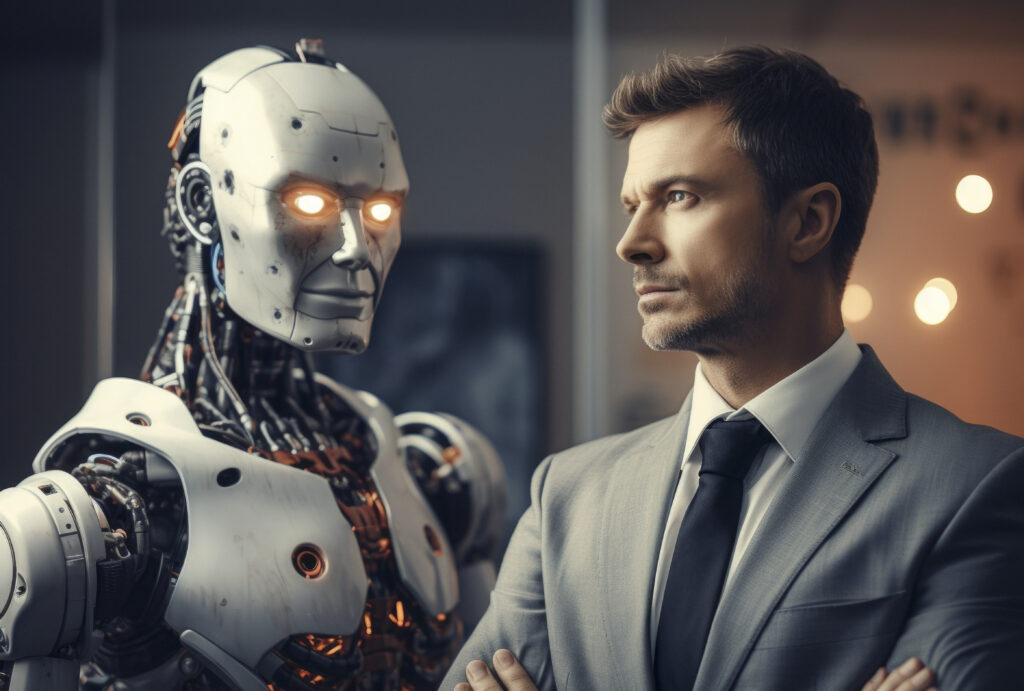
The workplace is changing faster than ever because of AI, automation, and new digital systems. People who refuse to learn new tools or stay attached to old ways of working are becoming more vulnerable. The biggest career risk today is not being replaced by AI itself. It is being replaced by someone who knows how to use AI better than you. A professional who can use AI to save time, write faster, analyze data, or solve problems will always have an advantage over someone who resists change.
4. Social Media Mistakes
A lot of people still think their online life is separate from work, but that is no longer true. One angry LinkedIn post, one offensive comment, or one photo that accidentally shows confidential company information can create a serious problem. Many companies now look at social media behavior as a reflection of judgment and maturity. A few years ago, a viral post may have been embarrassing. Today, it can end a career. Your digital footprint has become your second résumé.
5. Attendance and Reliability Problems
Being talented is not enough if people cannot depend on you. Repeated lateness, missed meetings, disappearing during work hours, or ignoring urgent messages can quickly damage trust. Reliability matters even more in remote and hybrid work because managers cannot constantly see who is working and who is not. Most leaders would rather keep someone dependable with average skills than someone brilliant who creates stress for everyone else.
6. Damaging Workplace Relationships
Some people lose jobs because of what they do. Others lose jobs because of how they make people feel. Employees who constantly create conflict, gossip, disrespect managers, or make teamwork difficult can damage an entire team. Even high performers are not protected forever if their behavior starts hurting the people around them. Some employees get promoted because of performance, but they get fired because of behavior.
7. Ignoring Company Policies
A lot of professionals think small policy violations do not matter, especially around remote work and office attendance. But in 2026, many businesses are taking those rules much more seriously. Recent research found that 72% of employees believe return-to-office mandates are being used as “stealth layoffs,” where employers quietly remove people who refuse to follow the rules. Someone who constantly bends policies, abuses flexibility, or ignores expectations often becomes an easy target during restructuring.
8. Becoming Disengaged
One of the biggest workplace trends today is that employees are no longer quitting immediately. Instead, they stay in the role but mentally disconnect from the work. They stop sharing ideas, avoid taking ownership, and only do the minimum required. This is often called “job hugging.” People stay because they need the paycheck, but they are no longer invested in the job. Leaders usually notice this earlier than employees think. When someone stops caring, it eventually shows in their attitude, effort, and energy.
9. Making Yourself Invisible
A lot of professionals believe good work automatically gets noticed. It does not. Employees who never speak up, never build relationships, and never show their value can become vulnerable during layoffs and restructures. Someone may be doing good work, but if nobody knows what they contribute, they become easier to remove. Some people are not fired because they are weak. They are fired because nobody can clearly explain why they matter.
10. Losing Trust
Trust is one of the most valuable things a person can have inside a company. Once it is damaged, it becomes very difficult to rebuild. Dishonesty, fake credentials, broken promises, misuse of company resources, or hiding mistakes can all destroy trust very quickly. Companies can forgive errors more easily than they can forgive dishonesty. In the long run, reputation often matters more than talent.
Conclusion
Dream jobs are rarely lost because of one terrible mistake. Most people lose good roles because of smaller habits that slowly damage trust, reliability, and visibility over time. In today’s workplace, employers are becoming less patient with people who refuse to adapt, communicate poorly, avoid responsibility, or stop contributing.
The biggest lesson is that talent alone is no longer enough. Employers want people who are dependable, easy to work with, open to change, and trusted by the people around them. Technical skill may help someone get hired, but professionalism, communication, adaptability, and trust are what help someone stay.
In 2026, the people who survive and grow are not always the smartest people in the room. They are usually the people who make work easier, build strong relationships, stay visible, and continue proving their value even after getting the job.
Frequently Asked Questions
1. Can good employees still get fired?
Yes. Many good employees lose jobs because of poor communication, weak visibility, bad attitude, or losing trust over time.
2. What is the biggest reason employees get fired?
Poor performance is still the biggest reason, especially when someone keeps missing goals, deadlines, or fails to improve.
3. Can social media really get someone fired?
Yes. Offensive posts, confidential information leaks, or public criticism of an employer can damage trust and reputation very quickly.
4. What does “job hugging” mean?
Job hugging means staying in a role because of financial security while mentally disconnecting from the work.
5. Is being quiet at work a bad thing?
Not always, but staying too invisible can become risky because leaders may not clearly see your value or contribution.