
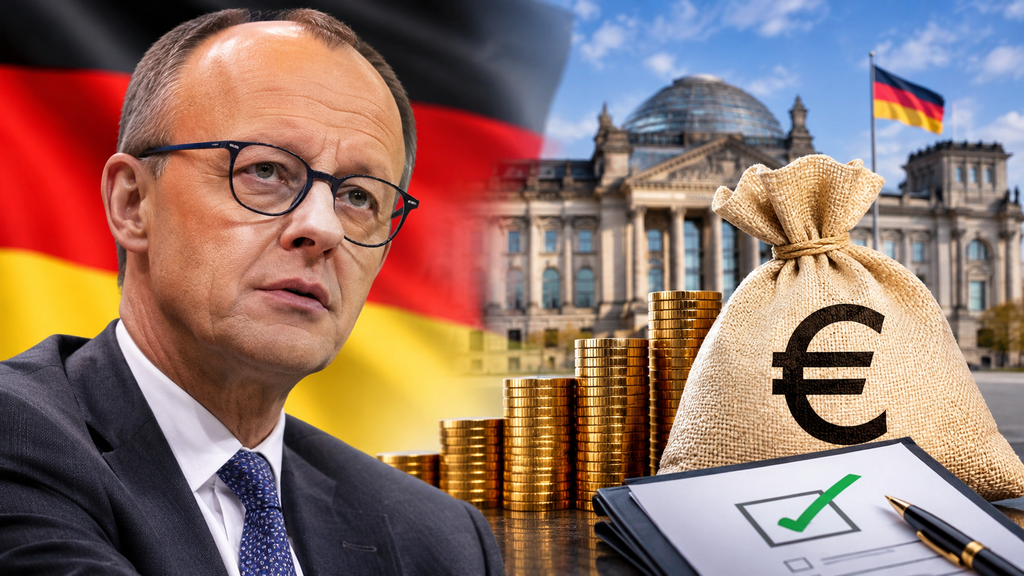
Germany’s 2027 budget plan carries about €210 billion in new borrowing, the country’s second-highest total since World War II. Only pandemic-era borrowing in 2021 was higher, at €215.4 billion. The plan puts infrastructure and defence investment alongside a sharp rise in public debt. Its final shape will depend on a vote in the full Bundestag later this month.
The Bundestag Budget Committee approved the plan early on November 13 after an overnight session in which lawmakers considered roughly 2,000 motions. The committee vote advanced the budget, but did not make it law. Parliament is scheduled to hold the final vote on November 27.
The Scale of Germany’s Budget
The committee approved €560.92 billion in planned federal spending for 2027, a 6.9 percent increase from the 2026 target. It raised direct investment in the federal budget to €61.85 billion, up €5.58 billion from the government’s original draft. These figures describe the core budget. Separate funds for infrastructure and the armed forces add to the total borrowing plan.
Net new borrowing in the core budget stands at €122.97 billion. Reuters reported that total borrowing reaches about €210.4 billion once the infrastructure and Bundeswehr funds are included. The total therefore includes borrowing beyond the core budget.
Germany borrowed €215.4 billion in 2021 during the COVID-19 pandemic. The planned 2027 total comes close to that record as the government seeks to expand investment and defence capacity. The scale is comparable, though the spending priorities and economic conditions differ from those in 2021.
Rail, Roads and Defence Funding
The Infrastructure and Climate Neutrality Special Fund has a 2027 spending plan of €57.84 billion, financed through loans. The committee also added €4 billion for acquiring and holding stakes in energy-sector companies, making infrastructure and energy central parts of the government’s investment plan.
Defence is another major priority. The Defence Ministry’s budget stands at €109.75 billion, with additional financing planned through a separate Bundeswehr fund. The committee increased future rail construction commitments by €4.34 billion, while planned investment for Autobahn GmbH, the federal motorway operator, fell by €1.98 billion.
These allocations could create opportunities for suppliers if projects move into procurement, though they do not guarantee contracts or set a delivery schedule.
Budget Compromises Emerge
The budget agreement followed negotiations between Chancellor Friedrich Merz’s Christian Democrats and the Social Democrats. The coalition dropped a proposed tax on plastic packaging and delayed a tax on sweetened drinks until 2028. It also rolled back some planned cuts to benefits for low-income families, changes that helped secure committee support.
A broader electricity-tax cut still had no confirmed funding when the committee approved the plan. Merz said he remained committed to pursuing the reduction, leaving room for further talks before the parliamentary vote. Businesses and households do not yet know whether the proposed relief will be included in the final budget.
Businesses Await Spending Plans
Germany’s Council of Economic Experts has forecast 1 percent economic growth in 2027. It has also warned that rising defence spending and interest payments will put pressure on public finances. The budget sets out the coalition’s priorities across investment, security and social commitments, but its economic value will depend on whether planned allocations lead to completed projects.
The budget’s size alone cannot show when projects will begin or which companies may receive contracts. Construction, rail, energy and defence suppliers will need to follow procurement plans and the release of funds before judging the commercial impact.
The Bundestag is scheduled to vote on the budget on November 27. The coalition may still face pressure to fund the electricity-tax cut before then. Until Parliament votes, both the borrowing plan and the unresolved tax proposal remain open to change.