

Freelancing has become one of the fastest-growing parts of the global digital economy. Millions of professionals around the world are now building careers independently through writing, consulting, design, coding, education, marketing, and content creation. According to industry estimates, the global freelance platform market is expected to cross $21 billion by 2031 as remote work, creator-led businesses, and AI-powered digital tools continue expanding worldwide.
Modern freelancing is also changing how people think about ambition itself. Earlier generations often built careers by joining powerful companies, but today many professionals are trying to build influence as individuals. Social media, newsletters, online communities, and digital products have created a world where one person with skills and consistency can reach a global audience without traditional corporate structures.
Most successful freelancers spend years quietly building trust before achieving financial success. The following stories are not just about internet fame. They reflect how the meaning of work, independence, and career growth is slowly changing around the world.
1. Ali Abdaal | Productivity Creator and Online Educator
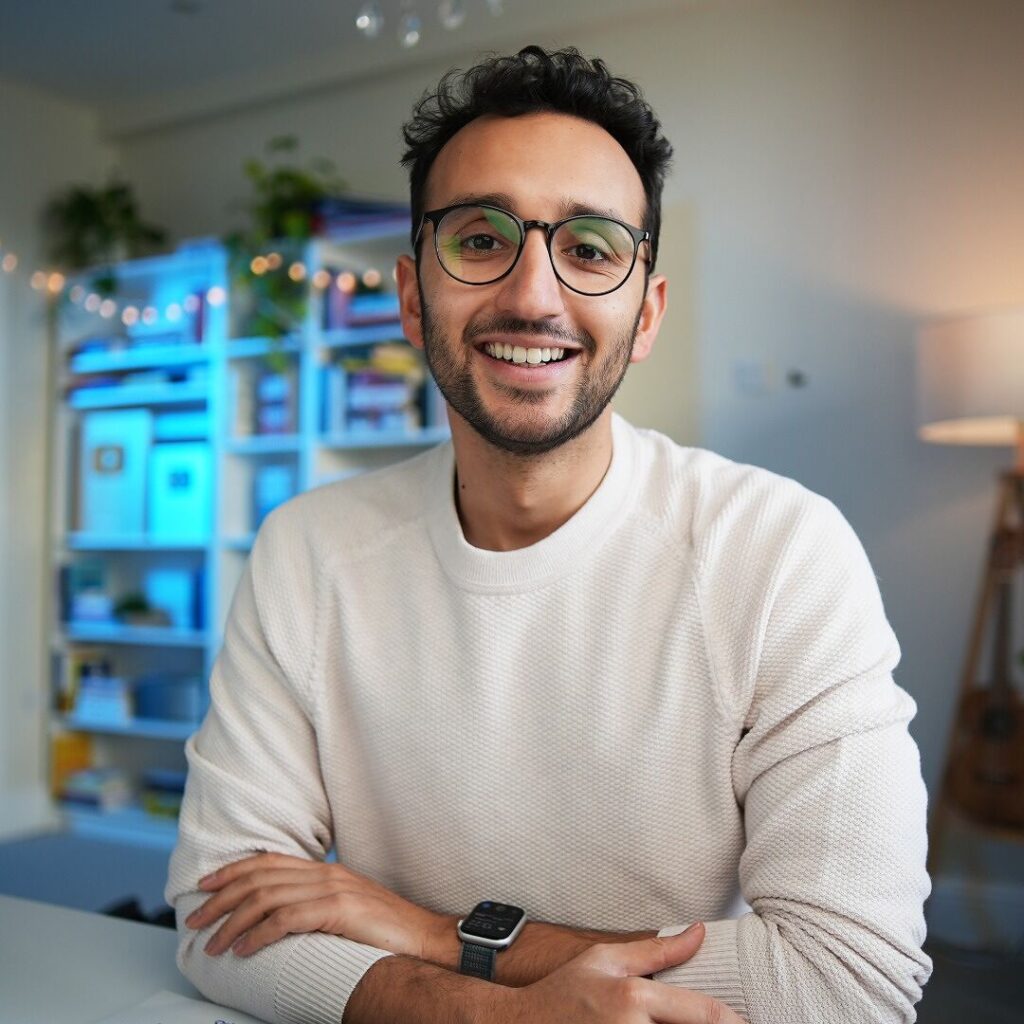
While working long hospital shifts as an NHS doctor after graduating from Cambridge University, Ali Abdaal started uploading videos about studying, productivity, and learning on YouTube. In the beginning, the videos were simple educational content created alongside his medical career, but over time millions of people around the world started following his approach to learning and self-improvement.
Instead of remaining limited to one traditional profession, Ali gradually built a global education business through courses, podcasts, newsletters, and digital products. His “feel-good productivity” philosophy became popular because it offered a healthier alternative to burnout-driven hustle culture. His journey also reflects how modern professionals are increasingly turning expertise and communication into independent digital careers.
2. Justin Welsh | Solopreneur and Business Consultant
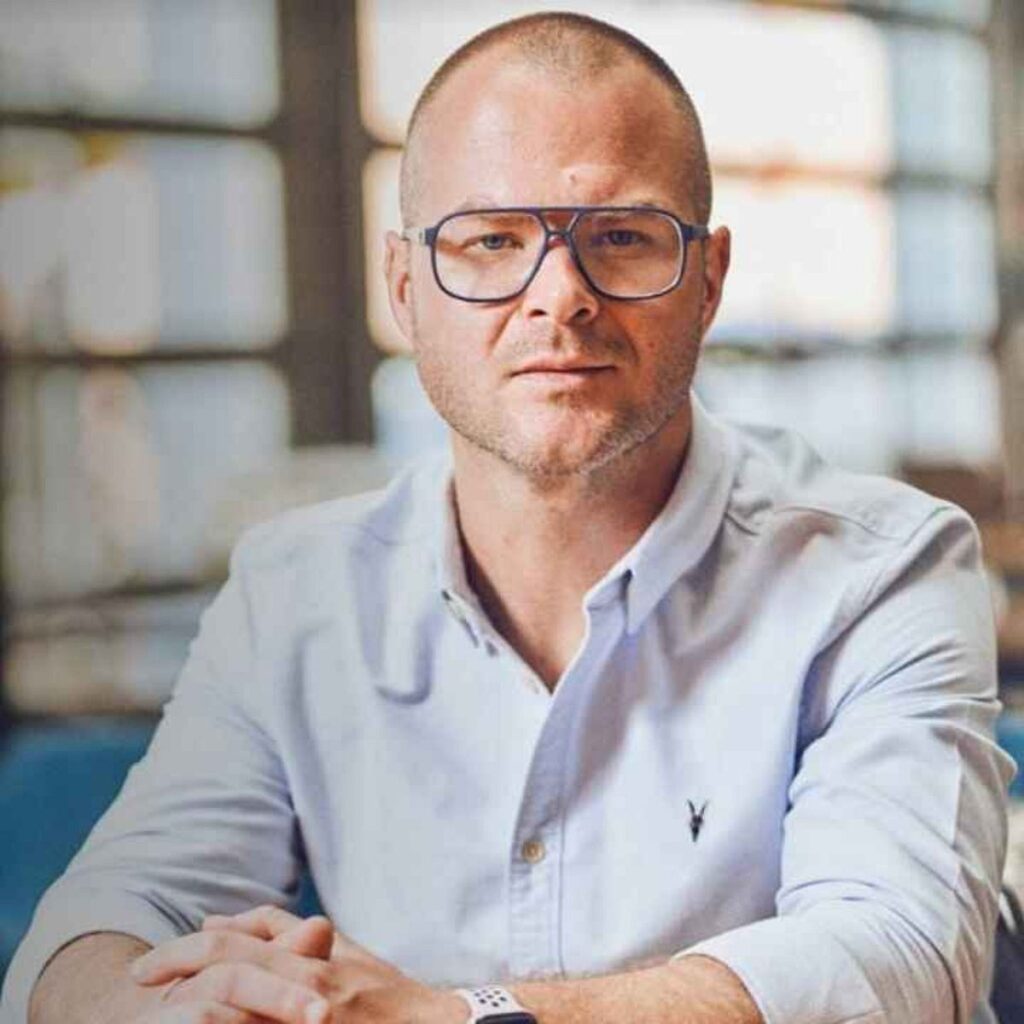
Before becoming one of the internet’s best-known solopreneurs, Justin Welsh spent years working in stressful startup leadership positions where constant pressure became part of everyday life. Eventually, he stepped away from corporate culture and focused on building a one-person online business through LinkedIn content, consulting, newsletters, and digital products.
Rather than chasing larger teams or corporate titles, he focused on creating systems around his own expertise and audience trust. His growth attracted attention because it challenged the old belief that success always needs offices, employees, or large companies. For many younger professionals today, his story represents a growing interest in freedom, ownership, and flexible work.
3. Pieter Levels | Independent Internet Entrepreneur

Pieter Levels became globally known after independently building internet businesses like Nomad List and Remote OK without depending on large investments or corporate structures. Unlike traditional startup founders, he focused on launching products quickly, testing ideas publicly, and improving them through direct user feedback.
His “build in public” approach inspired thousands of developers and freelancers around the world. Pieter’s work also highlights a larger shift happening in the digital economy where speed, creativity, and adaptability can sometimes become more valuable than company size itself. In 2026, AI tools and internet platforms are making it easier for independent creators to compete globally with fewer resources than ever before.
4. Chris Do | Branding Expert and Creative Educator
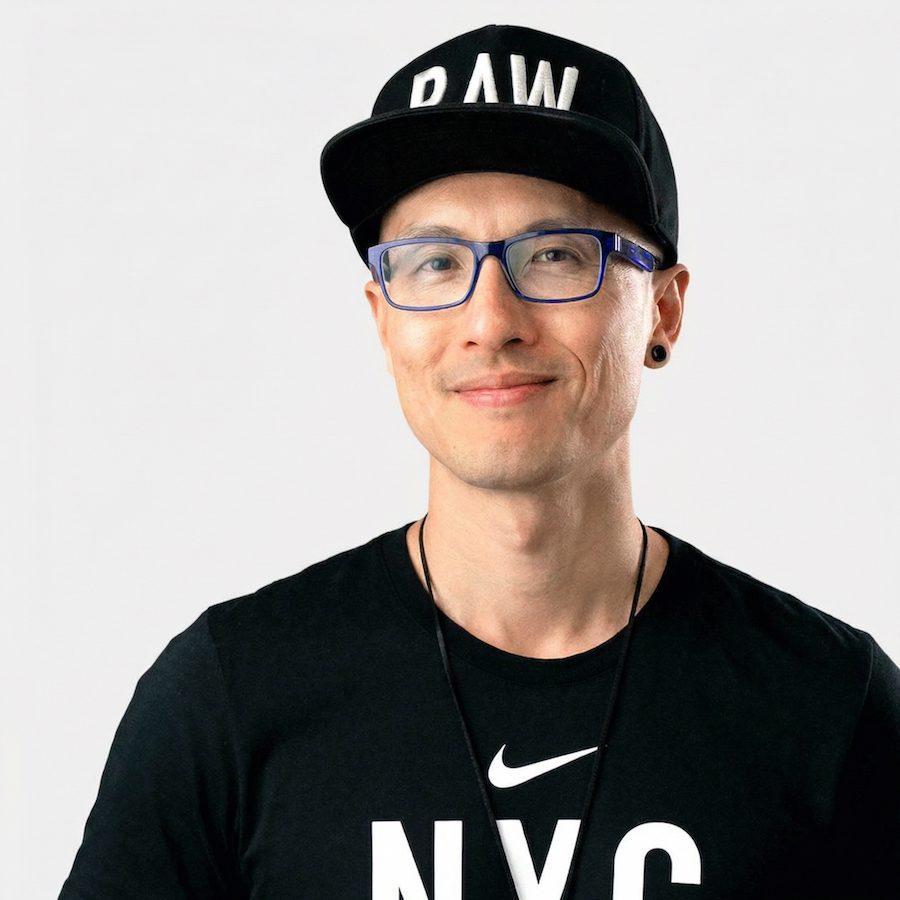
Chris Do spent years working in the creative industry before turning his freelance design experience into a global branding and education platform through The Futur. Over time, he became known for helping creative professionals understand communication, pricing, confidence, and personal branding.
Many freelancers struggle because they undervalue their skills or compete only on low prices. Chris Do encouraged creatives to think differently by positioning themselves as trusted experts instead of simply service providers. His ideas continue helping independent professionals build stronger personal brands in digital industries where communication and trust matter as much as technical skill.
5. Marie Forleo | Business Coach and Digital Entrepreneur

Marie Forleo slowly built one of the internet’s most recognized coaching and education brands through MarieTV and B-School. Long before the creator economy became mainstream, she consistently created content around entrepreneurship, business growth, and personal development.
While internet trends constantly changed, Marie continued focusing on long-term audience trust and authentic communication. Her success shows that digital influence is not always created through overnight growth or viral moments. In many cases, meaningful careers are built quietly over years through consistency, patience, and credibility.
6. Sahil Bloom | Writer and Newsletter Creator
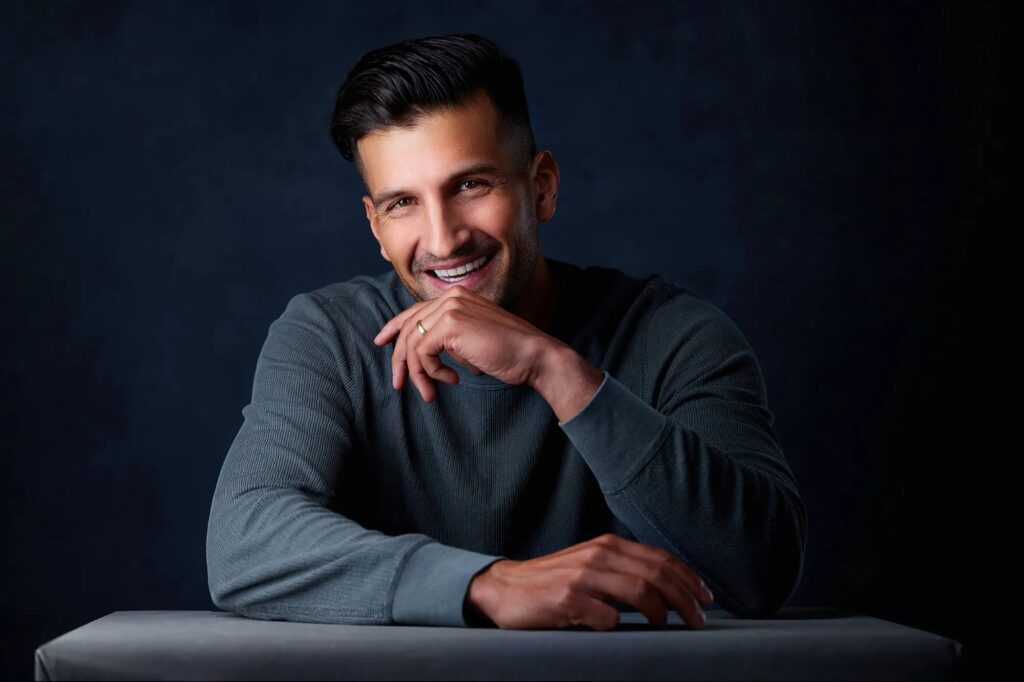
Sahil Bloom originally worked in private equity before moving into writing, digital media, and educational content creation. Through business insights, newsletters, podcasts, and online storytelling, he gradually built one of the largest independent audiences in the modern creator economy.
His journey reflects how writing and ideas themselves are becoming valuable assets in the digital age. Earlier generations often depended heavily on traditional media systems for visibility, but today independent writers can directly build communities around expertise and audience trust. His growth also shows how modern freelancing increasingly rewards clarity, consistency, and niche knowledge.
7. Austin Kleon | Author and Creative Thinker
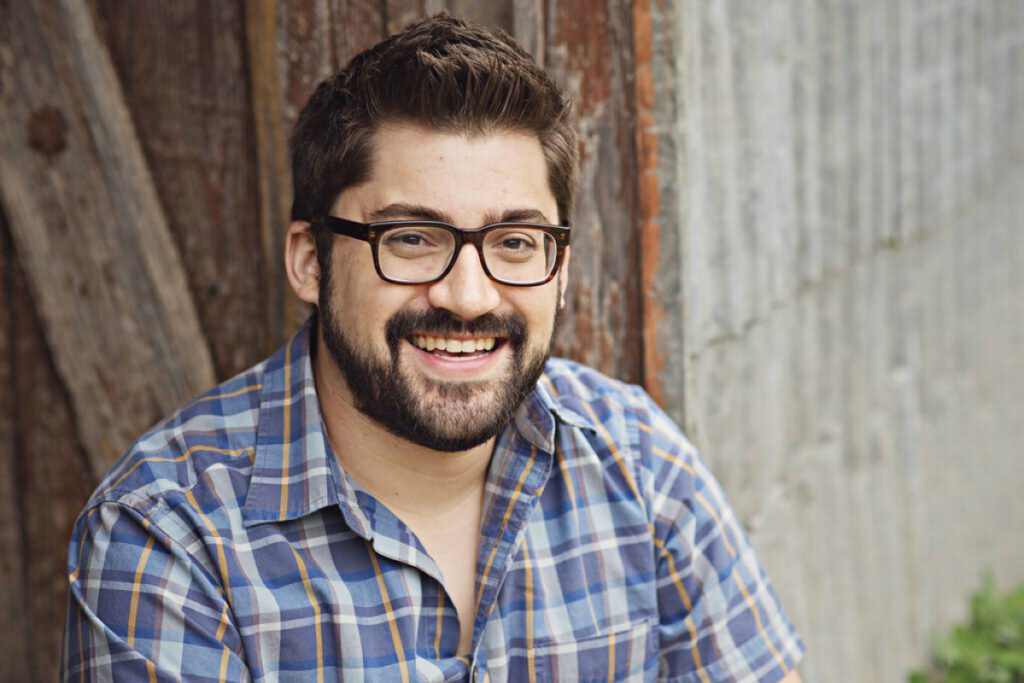
Austin Kleon became globally recognized through books like Steal Like an Artist and Show Your Work, where he discussed creativity, originality, and openly sharing creative processes in the digital era. His work quickly connected with creators trying to build meaningful careers around self-expression and originality.
In an internet world increasingly influenced by automation and AI-generated content, Austin Kleon continues reminding creators that human perspective still carries long-term value. His ideas remain relevant because they focus less on trends and more on building authentic creative work over time.
8. Tim Ferriss | Author and Lifestyle Entrepreneur
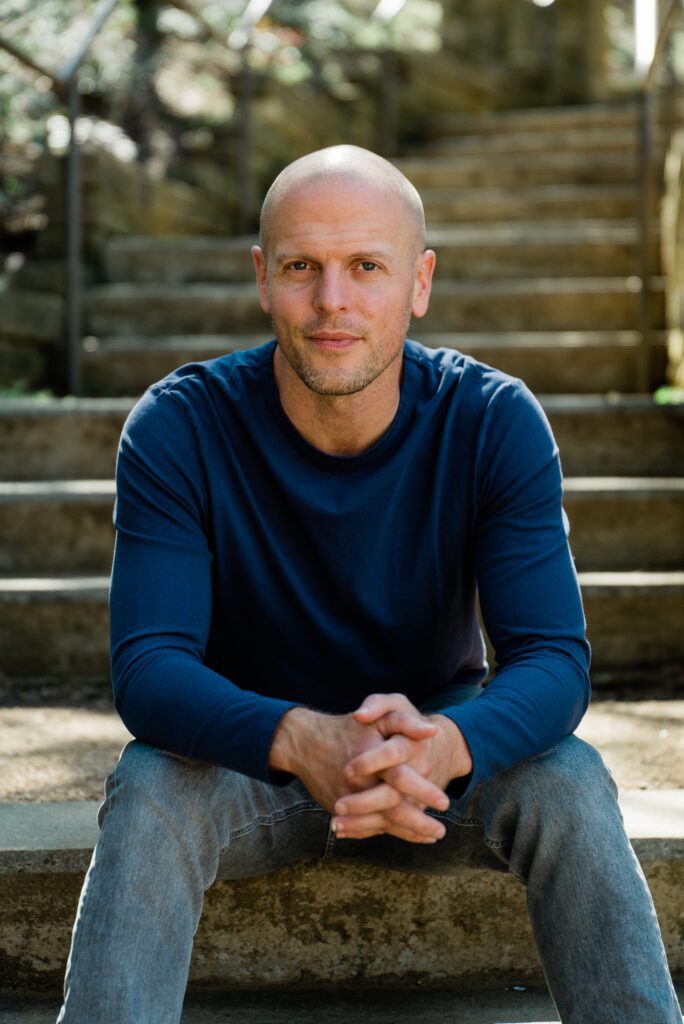
Tim Ferriss changed global conversations around work culture after publishing The 4-Hour Workweek. Years before remote work and digital freelancing became mainstream, he challenged traditional ideas about office life, productivity, and career structures.
Many freelancers and remote professionals today are unknowingly following systems Tim Ferriss discussed years ago, including location flexibility, digital income, and lifestyle freedom. His influence helped normalize the idea that success does not always need to follow one fixed corporate path or traditional definition of work.
9. Naval Ravikant | Investor and Startup Philosopher
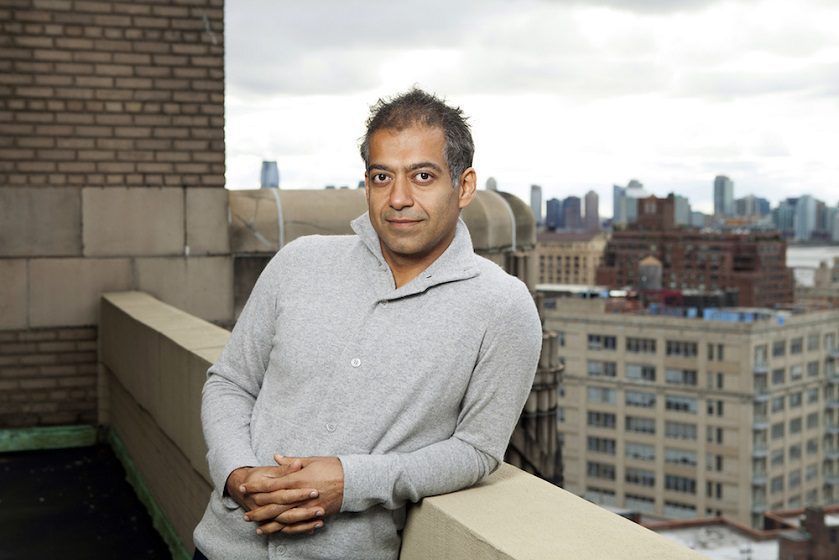
Naval Ravikant became globally influential through his ideas around ownership, leverage, technology, and wealth creation. Over time, his philosophy strongly influenced modern creator economy and solopreneur culture around the world.
One of Naval’s biggest ideas is that people should build ownership instead of only exchanging time for money. That mindset continues shaping how younger professionals think about careers, business, and financial freedom. Many independent creators today are focusing more on digital assets, online businesses, and intellectual property rather than depending completely on traditional salaries.
10. Katelyn Bourgoin | Marketing Consultant and Audience Strategist
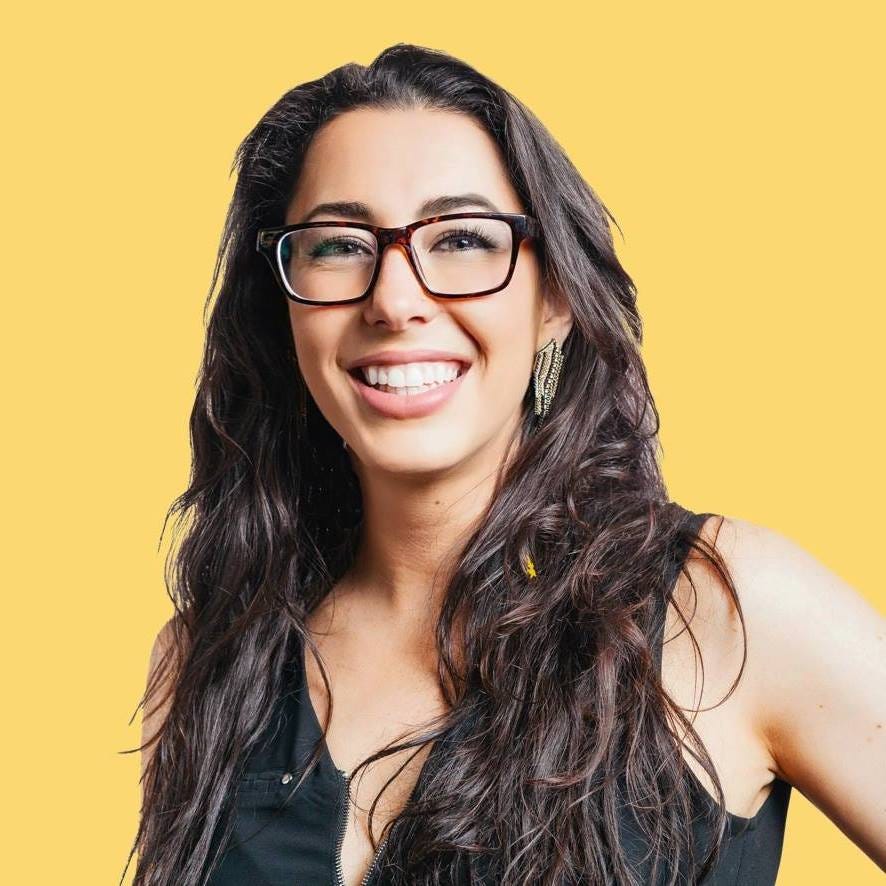
Katelyn Bourgoin built her business around customer psychology, audience behavior, and digital marketing strategy. Through newsletters, consulting, and creator-led education, she became one of the most respected voices in online marketing communities.
Her story reflects how modern freelancers increasingly succeed by becoming specialists instead of trying to do everything at once. In crowded digital industries, niche expertise and audience understanding are becoming some of the biggest advantages for independent professionals building long-term careers online.
Conclusion
Freelancing is no longer just a side hustle or temporary career option. Around the world, it is becoming a powerful career-building industry where more professionals are creating opportunities through skills, creativity, audience trust, and digital platforms instead of depending completely on traditional companies. The freelancers featured in this article succeeded in different industries, but all of them built influence independently by turning their knowledge, ideas, and expertise into global careers.
As AI, remote work, and the creator economy continue changing modern work culture, freelancing is becoming a much bigger part of the global economy. Not everyone will become a globally recognized creator or entrepreneur, but one thing is becoming increasingly clear in 2026: the future of work is no longer controlled only by large organizations. More individuals are now building careers, businesses, and personal brands on their own terms.
Frequently Asked Questions
1. Why is freelancing becoming more popular in 2026?
Freelancing is growing because more professionals now want flexibility, ownership, and independent income opportunities. Remote work, AI tools, and digital platforms have also made global freelance careers easier to build.
2. Can freelancing become a full-time career?
Yes, many freelancers today are building full-time careers through writing, consulting, design, education, coding, and content creation. However, long-term success usually requires consistency, skills, and audience trust.
2. Can freelancing become a full-time career?
Skills related to AI, digital marketing, design, writing, coding, video editing, and online education are currently in high demand across freelance platforms.
3. Which skills are most valuable for freelancers today?
Skills related to AI, digital marketing, design, writing, coding, video editing, and online education are currently in high demand across freelance platforms.
4. Is freelancing better than a traditional job?
Freelancing offers more freedom and flexibility, but it also comes with uncertainty, competition, and unstable income in the beginning. For many professionals today, it depends on lifestyle goals and career priorities.
5. What is the biggest lesson from these freelancers’ success stories?
Most of these freelancers succeeded because they focused on consistency, niche expertise, and long-term audience trust instead of chasing quick success. Their journeys show that independent careers often grow slowly before becoming successful.