
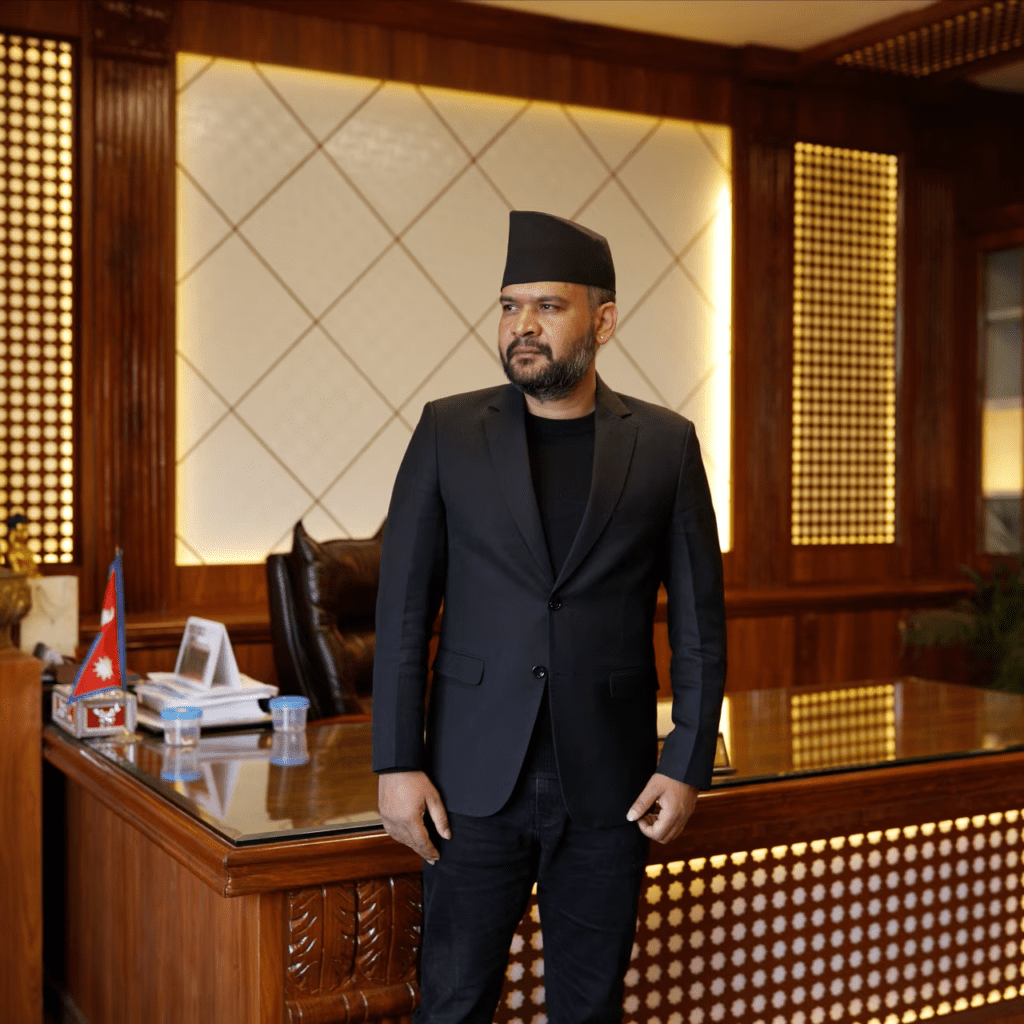
Nepal is going through one of the biggest political shakeups in South Asia.
Balendra Shah was known as the former mayor of Kathmandu, a rapper who built his popularity by criticizing corruption and political privilege. Today, at just 35, he is Nepal’s youngest prime minister and the face of a government that is directly challenging some of the country’s most powerful political figures.
His political success came because millions of people, especially younger voters, no longer wanted speeches about reform. They wanted arrests, investigations, accountability, and visible action against the people they believed had benefited from Nepal’s broken political system for years.
Shah’s party, the Rastriya Swatantra Party (RSP), won a sweeping victory in Nepal’s March 2026 election after months of anti-government anger and youth-led protests. The party secured 182 seats in the 275-member House of Representatives, giving Shah a clear majority and one of the strongest mandates seen in Nepal in years.
Initiated a Large-Scale Investigation
The biggest political story in Nepal right now is Shah’s decision to launch a major investigation into the wealth and assets of politicians, ministers, bureaucrats, and senior officials who held power after Nepal became a republic.
The panel is expected to examine whether public officials used political office to build unexplained wealth over nearly two decades. Reports suggest the investigation could include former prime ministers, senior ministers, civil servants, and even members of Nepal’s former royal establishment.
This is much bigger than a normal corruption case. Shah built his political image around the idea that Nepal’s system had become too comfortable protecting powerful people. His government is now trying to show that political status will no longer guarantee protection from investigations or legal action.
Launched a Nationwide Anti-Corruption Campaign
Shah’s government moved quickly after taking office, making it clear that the anti-corruption campaign would not stay limited to speeches and promises.
Former Prime Minister KP Sharma Oli was arrested on March 28, 2026, just one day after Shah was sworn in as prime minister. Oli was taken into custody over allegations linked to the deadly anti-government protests of September 2025. Former Home Minister Ramesh Lekhak was also arrested as investigators examined whether senior leaders failed to stop the violence.
The September protests left 77 people dead and more than 2,500 injured after security forces opened fire on demonstrators. Those protests eventually triggered the collapse of Oli’s government and created the political conditions that helped Shah rise to power.
The investigation is expected to focus on several major issues:
- Unexplained wealth accumulated by former politicians
- Corruption linked to public contracts and government projects
- Abuse of power by ministers and bureaucrats
- Financial links between political leaders and business groups
- Responsibility for the deadly protest crackdown
These moves have already changed the political mood in Nepal because many people feel this is the first time in years that the country’s most powerful leaders are being treated like ordinary citizens under the law.
Introduced a 100-Point Reform Agenda
Shah’s rise is a story about a younger generation losing patience with an old system.
Before entering national politics, Shah built his reputation as a rapper and later as mayor of Kathmandu. He became known for taking action against illegal construction, cutting through bureaucracy, and openly criticizing political privilege. That outsider image helped him connect with younger voters who no longer trusted traditional parties.
Nepal’s economy has also played a major role in this shift. Remittances from workers abroad still account for roughly one-quarter of the country’s GDP, showing how heavily Nepal depends on people leaving home to find work. Many younger voters saw Shah as someone who understood why so many people felt forced to leave the country in search of better opportunities.
Cutting VIP Culture and Political Privilege
The anti-corruption drive is only one part of Shah’s broader plan.
His government has already introduced a 100-point reform agenda focused on making Nepal’s political system smaller, faster, and more transparent. The plan includes reducing ministries, cutting VIP culture, expanding digital public services, speeding up business approvals, and limiting political influence in universities and public institutions.
Some of the biggest proposed reforms include:
- Reducing the number of ministries
- Creating digital systems to track government promises
- Removing road convoys and VIP privileges
- Expanding online public services
- Reducing bureaucratic delays for businesses and investors
These reforms are helping Shah build an image as a leader who prefers action over symbolism. But they also raise expectations because people now want to see visible results, not just headlines.
Pushing Nepal Toward Digital Governance
Shah may be popular today, but the hardest part is still ahead.
Launching a corruption probe is easier than proving corruption in court. Arresting former leaders creates headlines, but reforming institutions, recovering stolen money, creating jobs, and rebuilding trust in government takes much longer.
Nepal’s old political system still has influence across parliament, bureaucracy, business, and local networks. That means Shah is likely to face resistance from the same elite class he is trying to challenge.
For now, though, Nepal’s youngest prime minister has already changed the political conversation. The country is no longer only debating who should be in power. It is starting to ask whether powerful people can finally be held accountable.