

Learning Leadership Before Holding Authority

Najib Khatib’s professional journey did not begin with executive ambition. It began with exposure. Early in his career, he consciously chose variety over comfort, stepping into roles that stretched his technical understanding and personal adaptability. Moving across disciplines and countries allowed him to see how engineering decisions, often made far from the ground, ultimately shape real environments and real lives.
A defining early phase came when he moved from planning and analytical roles into construction supervision. On site, engineering stopped being theoretical. Decisions carried immediate consequences. Deadlines were non-negotiable. Coordination between teams became critical. Human behavior, pressure, and accountability mattered as much as technical precision. This phase taught him a lesson that stayed with him throughout his career: leadership is learned closest to the work, not farthest from it.
From Technical Specialist to System Thinker

As his responsibilities grew, Najib Khatib began to see projects not as isolated tasks, but as interconnected systems. Exposure to multiple disciplines revealed how early planning choices could amplify or constrain outcomes years later. He learned that technical excellence alone is not enough if systems, people, and processes are misaligned.
During this phase, leadership started to take a different meaning. It was no longer about solving individual problems personally. It was about creating clarity, structure, and accountability so that teams could work effectively together. Experience across different markets strengthened his ability to adapt leadership styles without compromising professional standards. This period quietly prepared him for senior leadership long before formal titles followed.
Redefining Responsibility at the Top

The transition into executive leadership marked a significant shift. Decisions now carried institutional weight and long-term consequences. As Chairman and Chief Executive Officer of Khatib and Alami, Najib Khatib’s role expanded from execution to stewardship.
His leadership philosophy became centered on continuity. Rather than building dependency around himself, he focused on mentoring future leaders, delegating authority, and ensuring knowledge transfer across the organization. Clear strategic direction combined with trust in teams allowed the firm to grow while maintaining consistency across regions and services. For him, leadership at this level is not about control. It is about enabling others to lead responsibly and confidently.
Engineering the Middle East’s Urban Transformation

Najib Khatib’s career unfolded alongside a period of intense urban growth in the Middle East. Cities expanded rapidly. Infrastructure projects grew in scale, complexity, and ambition. National development visions reshaped how urban spaces were planned and delivered.
Through this transformation, Khatib and Alami became involved in projects ranging from iconic developments to essential infrastructure. Najib Khatib views these projects as responsibilities rather than symbols. For him, iconic spaces must do more than impress visually. They must function reliably, serve communities effectively, and remain relevant over time. Success is not measured by scale alone, but by how projects improve daily life and withstand future challenges.
Moving from Reactive Delivery to Predictive Planning

As project complexity increased, traditional delivery models proved insufficient. Technology became a turning point. Digital platforms, data integration, and advanced modeling tools were integrated into core operations rather than treated as add-ons.
Tools such as geographic information systems, building information modeling, and digital twins allowed teams to test scenarios before construction began. Risks could be identified earlier. Sustainability targets could be measured and refined. This shift changed project delivery from reactive problem-solving to predictive planning. For Najib Khatib, technology is not about novelty. It is about discipline, transparency, and better long-term outcomes.
Quality That Lasts Beyond Completion

Sustainability, in Najib Khatib’s view, is not an optional addition. It is a benchmark of quality. Projects that ignore resilience, lifecycle efficiency, and adaptability are incomplete by definition.
This belief influenced how sustainability was embedded into planning and delivery processes. Environmental performance and climate resilience became core design considerations rather than afterthoughts. Alongside environmental responsibility, human factors such as safety, training, and workforce development received equal attention. Engineering, he believes, carries a responsibility to protect both people and the environments they depend on.
Balancing Vision, Execution, and Trust

Large-scale projects bring together governments, private partners, communities, and international stakeholders. Najib Khatib emphasizes trust as the foundation of such collaborations.
Clear governance structures, realistic planning, and transparent communication help align diverse interests. Vision, in his view, must survive execution pressure. By embedding execution thinking early and maintaining alignment throughout delivery, projects are more likely to succeed without compromising integrity. Leadership in such environments becomes an exercise in balance rather than authority.
Mentorship as a Leadership Responsibility

Mentorship has remained central to Najib Khatib’s leadership approach. He encourages young professionals to move across disciplines and geographies, just as he once did. Growth, he believes, comes from exposure and responsibility rather than comfort.
He advises emerging leaders to stay curious and patient. Leadership is built over time through experience, not shortcuts. Creating an environment where learning continues at every level ensures organizational strength beyond any single individual.
A Legacy Defined by People and Purpose
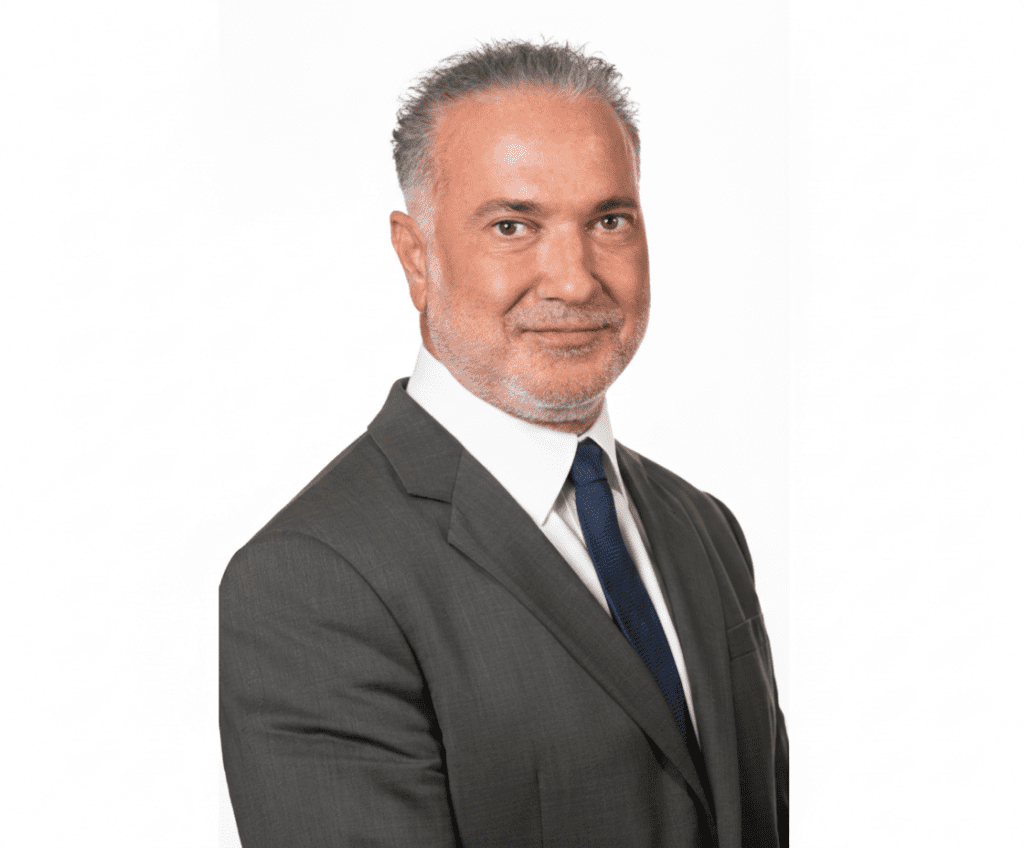
When reflecting on legacy, Najib Khatib focuses less on recognition and more on continuity. Success is measured by teams that grow into leaders and projects that continue serving communities long after completion.
His goal is for Khatib and Alami to remain a trusted partner for institutions shaping the future of the region. In a fast-changing Middle East, his leadership reflects a belief that lasting impact comes not from speed alone, but from responsibility carried consistently over time.